
A few years ago, spotting machine-written content was easy. Human writing felt emotional and imperfect, while automated text sounded stiff and robotic.
Today, that line has almost disappeared. This shift is why so many people search AI or Human—they want to know who is really behind the words, images, or conversations they see online.
Students check assignments, teachers look for originality, content creators test authenticity, and curious users play guessing games just for fun.
This guide explains what the term means, how detection tools and games work, and how you can judge content more accurately on your own.
AI or Human – Quick Meaning
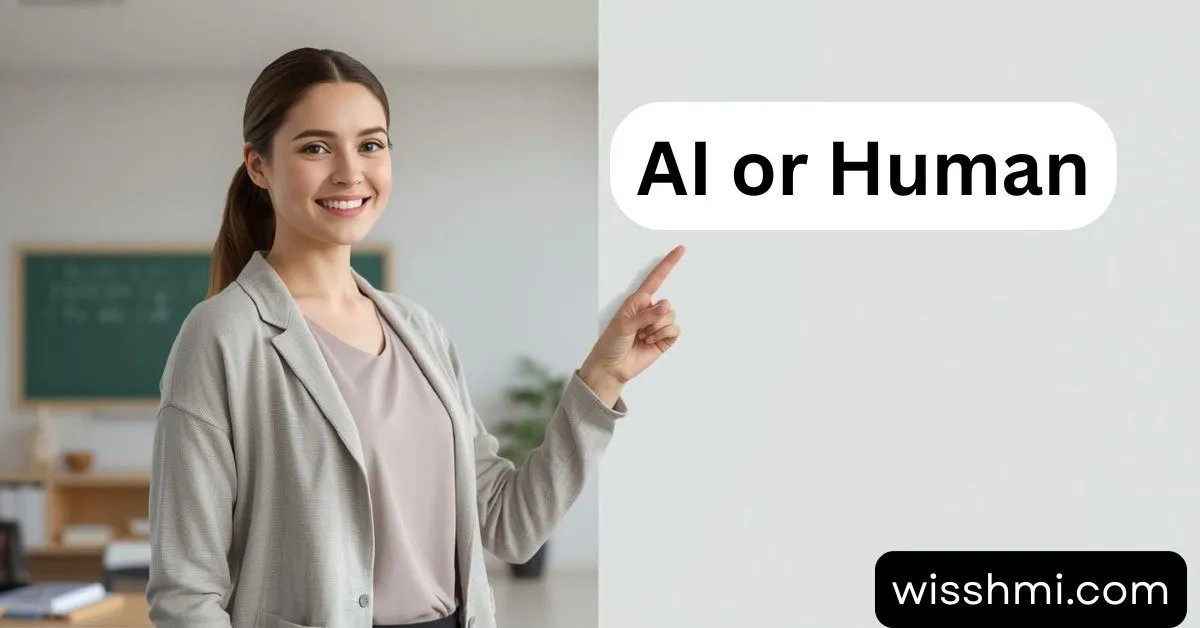
AI or Human refers to identifying whether content was created by artificial intelligence or by a real person.
Simple Indicators
- Emotional tone, small errors → Likely human
- Polished structure, fast output → Often AI
This phrase is commonly connected with:
- Text detection tools
- Online guessing games
- Writing and image tests
Where the Term Comes From
Origin Explained
AI stands for Artificial Intelligence, meaning computer systems designed to perform tasks that usually require human thinking.
As writing tools and image generators became more realistic, people started asking a simple question: Was this created by a machine or a person? That question evolved into a widely searched phrase used in education, content moderation, and online games.
Because it’s a modern technical term, spelling stays consistent worldwide.
British vs American English Usage
There is no spelling or meaning difference between British and American English.
| Term | British English | American English |
|---|---|---|
| AI or Human | Same | Same |
| Human or Not | Same | Same |
| Artificial Intelligence | Same | Same |
Which Term Should You Use?
- Blogs, research, education → AI or Human
- Games and quizzes → Human or Not
- Technical tools → AI detection or content verification
The wording changes by context, not region.
Common Judging Mistakes to Avoid
❌ Frequent Errors
- Assuming perfect grammar always means AI
- Trusting a single detection tool
- Ignoring purpose and context
✅ Smarter Approach
- Look at tone and intent
- Check repetition and structure
- Compare results from multiple tools
No single signal is reliable on its own.
Real-Life Examples of AI vs Human Content
Emails
- Short, emotional replies → Human
- Polite, structured responses → AI
News & Articles
- Opinion pieces → Human-written
- Data summaries → Often AI-assisted
Social Media
- Slang, humor, emojis → Human
- Generic captions → AI-generated
Formal Writing
- Draft reports → AI-assisted
- Personal stories → Human
Popular Games, Tests, and Detection Tools
Human or Not
An online game where users guess whether they’re chatting with a person or an AI system.
Detection Tests
Tools that analyze writing patterns to estimate whether content is machine-generated.
Quiz-Style Games
Fun challenges designed to improve detection skills.
Image Comparison Tests
Visual challenges that compare real photos with AI-generated images.
Open-Source Projects
Developer tools hosted on platforms like GitHub for research and experimentation.
Search Trends and Popularity
Interest in AI content verification has grown worldwide.
- US & UK → Education and originality checks
- India & Pakistan → Games and online tests
- Europe → Verification and moderation tools
Related searches often include text detection, guessing games, and image comparison tests.
Comparison Table: Common Variations
| Variation | Purpose |
|---|---|
| AI or Human | General identification |
| Human or Not | Game-based guessing |
| AI Text Detection | Writing analysis |
| AI Image Test | Visual checking |
| Open-source tools | Development & research |
FAQs
What does AI or Human mean?
It means checking whether content was created by AI or a real person.
Are detection tools accurate?
They help, but none are 100% reliable.
Can AI sound human?
Yes, modern systems can sound very natural.
Are guessing games free?
Most online versions are free to play.
Can teachers detect AI writing?
Sometimes, but advanced tools are harder to spot.
Are AI images easy to recognize?
Not always—many look very realistic.
Conclusion
The question of AI versus human authorship matters more than ever. Machines now write text, generate images, and interact in ways that feel natural. Still, human creativity, emotion, and lived experience remain difficult to replicate.
To judge content accurately, avoid relying on one signal or tool. Look at tone, intent, and patterns, and use technology wisely.
Understanding the difference helps you make smarter decisions in education, content creation, and everyday online interactions.