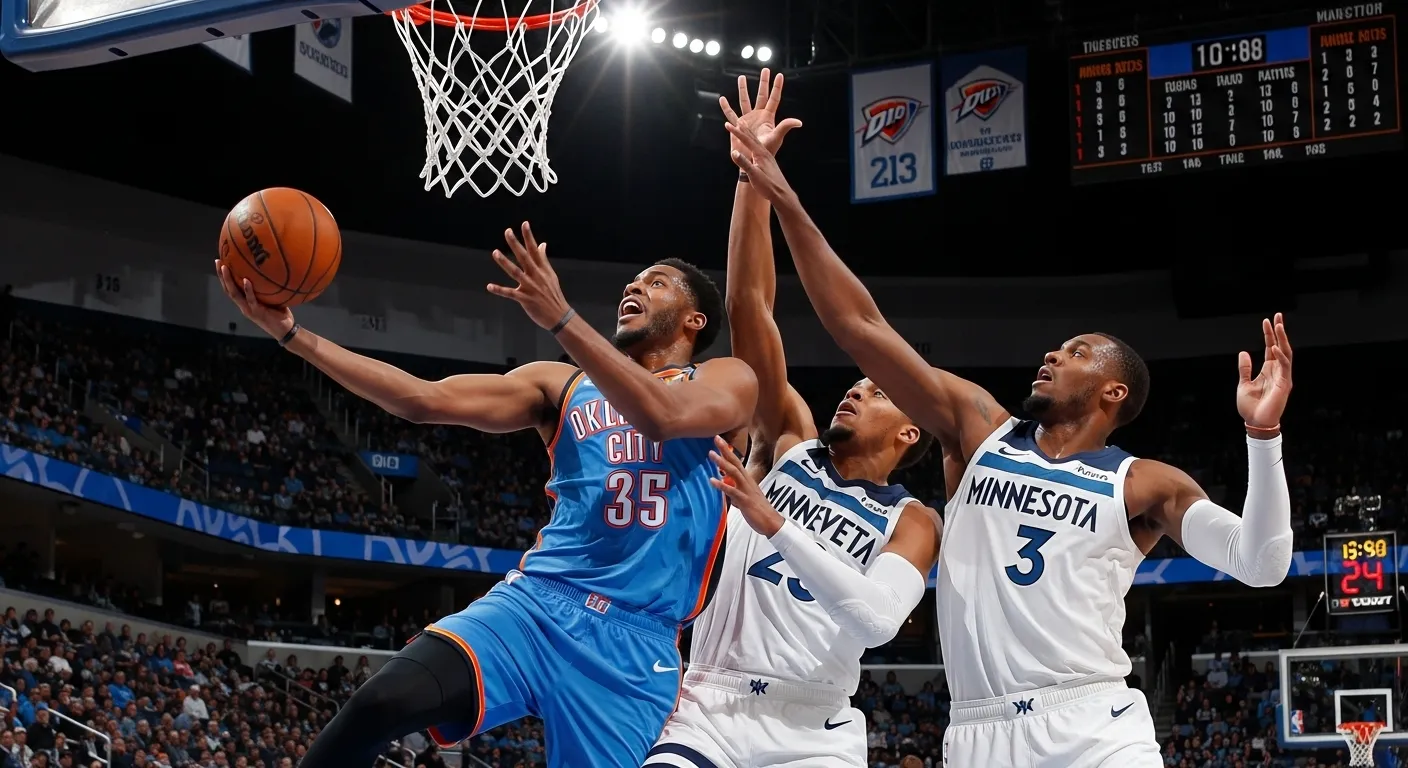

The matchup between the Oklahoma City Thunder and the Minnesota Timberwolves is always one that basketball fans circle on their calendars. Both teams bring a mix of youthful energy, star power, and tactical depth, making every encounter unpredictable and thrilling.
This season, the Thunder have been showing flashes of brilliance with their fast-paced offense, while the Timberwolves have relied on their dynamic scoring duo and disciplined defense to climb the standings.
Fans are eager to see how key players match up, which strategies will dominate, and who will emerge victorious in this Western Conference clash. In this article, we’ll dive deep into the head-to-head history, player matchups, team stats, tactical analysis, and even fan reactions.
By the end, you’ll have a complete understanding of what makes this Thunder vs Timberwolves game so exciting and which factors could decide the outcome.
Oklahoma City Thunder 🏀: Team Profile
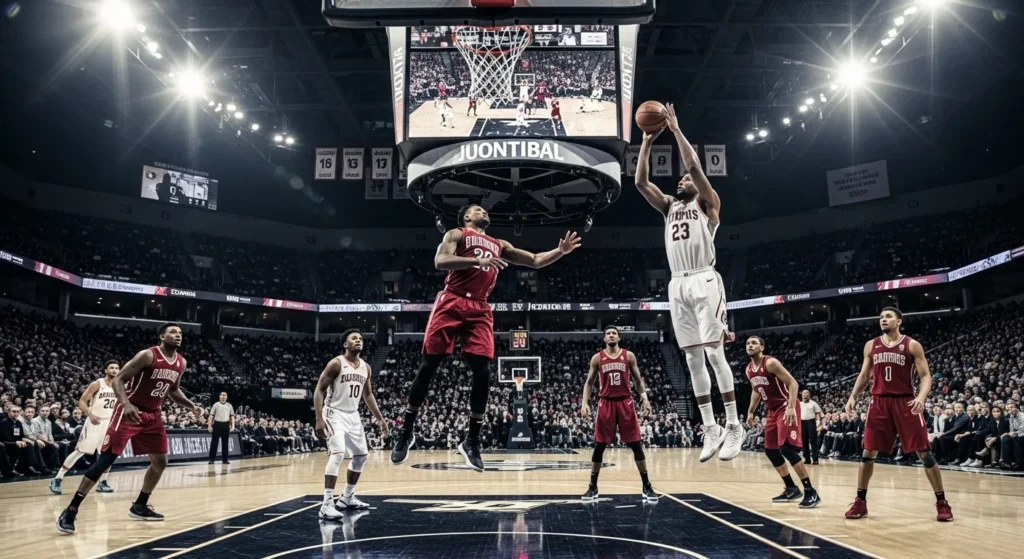
The Oklahoma City Thunder have been steadily building a young, dynamic roster that blends rising talent with experienced role players. Currently competing in the Western Conference, the Thunder have shown flashes of brilliance this season, especially in their fast-paced offense and aggressive perimeter shooting. Star players like Shai Gilgeous-Alexander lead the charge, delivering consistent scoring, playmaking, and leadership on the floor. Complementing him, players such as Josh Giddey and Luguentz Dort contribute with energy, defense, and versatility, making the Thunder a difficult team to predict.
Their season has been a mix of high-scoring wins and closely contested games, reflecting a team still finding its consistency but capable of upsetting stronger opponents. Injuries have occasionally affected their rhythm, but the Thunder’s deep bench ensures rotations remain effective, giving the starters time to rest without losing momentum.
Under the guidance of Coach Mark Daigneault, the Thunder emphasize ball movement, spacing, and aggressive fast breaks, which often catch opponents off guard. Their young roster thrives on adaptability and speed, making them a formidable opponent for the Minnesota Timberwolves. As we look at the matchup, understanding the Thunder’s strengths, weaknesses, and style of play is essential to predicting the outcome of this exciting clash.
Minnesota Timberwolves 🌲: Team Profile
The Minnesota Timberwolves have established themselves as one of the most dynamic teams in the Western Conference, combining veteran leadership with emerging young talent. Led by star forward Anthony Edwards, the Timberwolves rely on explosive scoring, athleticism, and versatile offensive schemes to challenge their opponents. Karl-Anthony Towns, a consistent double-double threat, anchors both the offense and defense, providing rim protection, rebounding, and stretch scoring. Together, this duo creates matchup problems for any team in the league.
This season, the Timberwolves have been notable for their disciplined defense and high-efficiency shooting, particularly from the three-point line. Their bench also contributes crucial minutes, with role players stepping up to maintain momentum when the starters rest. However, injuries and inconsistency have occasionally disrupted their rhythm, leaving games tighter than expected.
Under Coach Chris Finch, Minnesota emphasizes ball movement, spacing, and exploiting mismatches. The team’s strategy often focuses on aggressive drives to the basket, kick-out passes for open threes, and solid defensive rotations to limit fast-break opportunities. As they prepare to face the Oklahoma City Thunder, the Timberwolves’ combination of scoring power, defensive discipline, and tactical flexibility makes this matchup unpredictable and thrilling. Understanding their style and key players is essential to predicting how this game could unfold.
Head-to-Head History 🔄
When the Oklahoma City Thunder and Minnesota Timberwolves face off, fans can expect a mix of high-intensity basketball and unpredictable outcomes. Historically, the two teams have had a balanced rivalry, with the Thunder holding a slight edge in overall wins, but recent matchups have been more evenly contested. Over the last five seasons, each game has often been decided by single-digit margins, highlighting how closely matched these squads are in terms of talent and strategy.
Home-court advantage plays a notable role in this rivalry. The Thunder have performed better at Chesapeake Energy Arena, leveraging crowd energy and fast-break opportunities, while the Timberwolves tend to capitalize on their home crowd at the Target Center, relying on disciplined spacing and perimeter shooting.
Key historical trends show that games featuring Shai Gilgeous-Alexander vs Anthony Edwards tend to be scoring duels, with both players often putting up 25+ points. Additionally, when Karl-Anthony Towns dominates the paint, the Thunder’s defense is tested, often determining the outcome. Bench contributions have also been decisive, with teams gaining momentum from unexpected role-player performances.
Understanding this head-to-head history is essential for analyzing the Thunder vs Timberwolves matchup, as past trends, player matchups, and home-court dynamics provide insight into how the game might unfold.
Player Matchups to Watch 👀
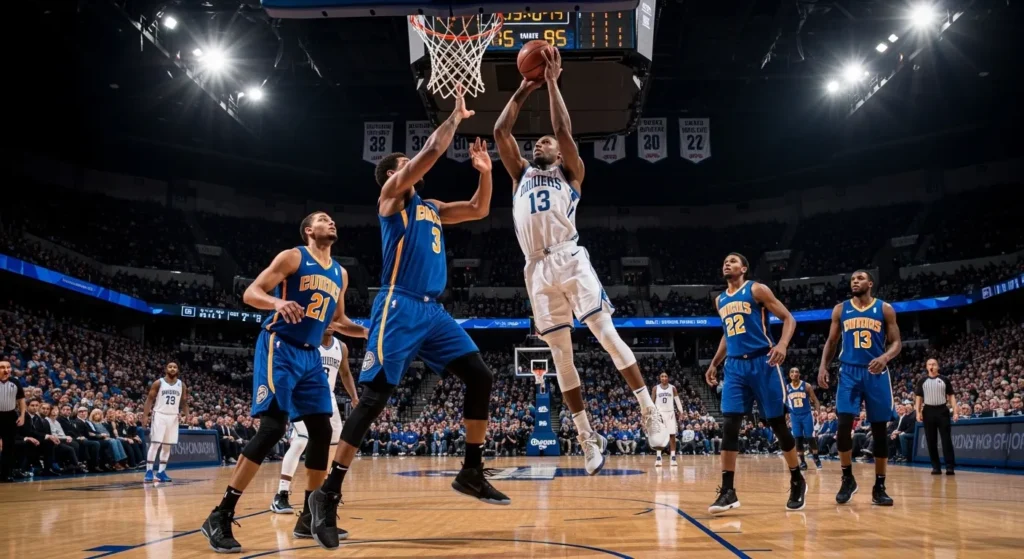
The Thunder vs Timberwolves matchup isn’t just about team strategy—it’s also about individual battles that can decide the game. One of the most exciting matchups is Shai Gilgeous-Alexander of the Thunder versus Anthony Edwards of the Timberwolves. Both players are dynamic scorers and playmakers, capable of taking over a game with their drives, step-back threes, and clutch shots. How they perform against each other will be a key factor in determining the winner.
In the frontcourt, Karl-Anthony Towns presents a significant challenge for the Thunder. His combination of size, shooting range, and rebounding ability forces the Thunder to adapt their defensive schemes. Conversely, Josh Giddey’s versatility and vision will test the Timberwolves’ defense, particularly in fast-break situations and pick-and-roll plays.
Role-player matchups are equally critical. Luguentz Dort is known for his lockdown defense, often guarding the opponent’s best perimeter scorer, while Timberwolves’ shooters like Jaden McDaniels and Tyus Jones can exploit defensive gaps to swing momentum. Bench contributions will also play a pivotal role, with both teams relying on secondary scorers to maintain intensity when starters rest.
Watching these individual battles provides insight into the broader game flow, helping fans anticipate scoring runs, defensive stops, and key momentum shifts that could tip the Thunder vs Timberwolves clash in either team’s favor.
Statistical Breakdown 📊
Analyzing the stats is essential to understanding the Thunder vs Timberwolves matchup. Both teams bring unique strengths that reflect in their season numbers. The Oklahoma City Thunder average around 115 points per game, relying on fast-paced offense and efficient three-point shooting. They also grab an average of 45 rebounds per game, with Shai Gilgeous-Alexander and Josh Giddey leading the charge. Turnover management remains a key factor, as the Thunder’s young roster can sometimes be prone to mistakes under pressure.
The Minnesota Timberwolves, meanwhile, excel in scoring efficiency, with Anthony Edwards and Karl-Anthony Towns combining for over 50 points per game on average. The Timberwolves also focus on defensive metrics, allowing roughly 112 points per game, highlighting their ability to limit opponent fast breaks and control the paint. Their rebounding and assist numbers indicate strong ball movement and teamwork, particularly from their bench units.
Advanced metrics further illuminate the matchup. The Thunder have a plus-minus rating of +3.2 in recent games, showing their ability to outscore opponents when starters are on the floor. The Timberwolves’ offensive rating of 112.5 reflects efficiency in half-court sets, while their defensive rating of 110.3 demonstrates solid rotations and rim protection. Comparing these stats, it’s clear that the clash will be decided by how each team executes both offensively and defensively.
Tactical Analysis ⚔️
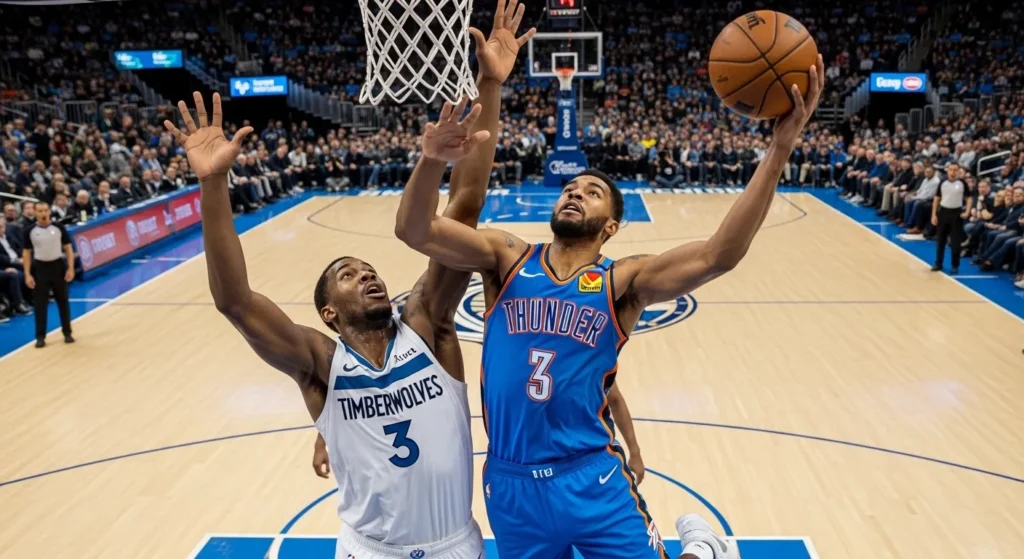
The Thunder vs Timberwolves matchup is as much about strategy as it is about individual talent. The Oklahoma City Thunder thrive on a fast-paced offense that emphasizes spacing, ball movement, and quick transition plays. Their game plan often relies on Shai Gilgeous-Alexander orchestrating attacks, using pick-and-rolls to create driving lanes, and spreading the floor for open three-point opportunities. Coach Mark Daigneault emphasizes aggressive defense in transition, aiming to force turnovers and convert them into fast-break points.
The Minnesota Timberwolves, under Coach Chris Finch, employ a more structured half-court offense. They capitalize on Karl-Anthony Towns’ shooting range and post presence to stretch defenses, while Anthony Edwards attacks the rim to draw fouls or create assists. The Timberwolves’ defensive scheme focuses on limiting perimeter penetration, contesting shots, and rotating quickly to prevent easy baskets in the paint.
Bench rotations and role-player execution are also crucial. The Thunder rely on energy and defensive intensity from players like Luguentz Dort, while Timberwolves bench contributors maintain spacing and scoring pressure. Matchups in the second unit often determine momentum swings.
Ultimately, the game’s outcome will hinge on which team better executes their offensive sets, defensive rotations, and in-game adjustments, making tactical discipline just as important as individual brilliance in this exciting Western Conference clash.
Game Simulation & Prediction 🔮
Predicting the outcome of a Thunder vs Timberwolves game requires analyzing team strengths, player matchups, and recent trends. Both teams have potent offensive weapons, but their styles differ. The Thunder’s fast-paced, transition-heavy offense gives them an edge in exploiting Timberwolves’ defensive lapses, especially if Shai Gilgeous-Alexander and Josh Giddey find rhythm early. Quick ball movement and perimeter shooting could generate scoring runs that swing momentum in OKC’s favor.
The Timberwolves, however, excel in structured half-court sets. Karl-Anthony Towns stretching the floor and Anthony Edwards attacking the rim could neutralize the Thunder’s defensive pressure. If Minnesota controls the boards and executes efficient rotations, they can slow down OKC’s pace and create high-percentage scoring opportunities. Bench performance will be a critical X-factor, as both teams rely on role players to maintain energy and scoring bursts.
Based on recent stats and head-to-head trends, the game is likely to be close, with scoring runs deciding the winner. A predicted final score could hover around Thunder 112 – Timberwolves 109, though late-game execution by star players may change the outcome. Ultimately, the clash will be decided by who manages turnovers, exploits mismatches, and maintains defensive discipline under pressure.
Fan & Social Media Reactions 📱
The Thunder vs Timberwolves matchup always sparks lively discussions among NBA fans, and social media amplifies the excitement. Platforms like Twitter, Reddit, and Instagram buzz with predictions, highlight clips, and debates over key plays. Fans often spotlight the head-to-head battle between Shai Gilgeous-Alexander and Anthony Edwards, sharing stats graphics, reaction GIFs, and even memes showcasing clutch shots or defensive stops.
Debates around coaching decisions also trend online. Thunder fans praise Mark Daigneault for his fast-paced rotations and defensive schemes, while Timberwolves supporters highlight Chris Finch’s structured half-court approach and ability to maximize star performance. Role-player contributions often dominate fan chatter as well; unexpected three-pointers or defensive plays from secondary scorers like Luguentz Dort or Jaden McDaniels frequently go viral.
Game highlights quickly circulate, with dunks, alley-oops, and buzzer-beaters shared within minutes. Hashtags like #ThunderVsTimberwolves and #NBA help fans follow live reactions and engage in conversations about predictions, controversial calls, and standout performances.
These social media reactions not only reflect fan passion but also shape public perception of the matchup. Understanding the pulse of the fanbase gives insight into which moments resonate most, which players earn praise, and how excitement builds leading into the final minutes of this thrilling Western Conference clash.
Post-Game Analysis 🏀
After a high-intensity matchup between the Oklahoma City Thunder and Minnesota Timberwolves, breaking down the game reveals which factors determined the outcome. Star performances often define these clashes, and in this matchup, Shai Gilgeous-Alexander showcased his scoring prowess and playmaking, driving the Thunder’s offense and creating opportunities for teammates. On the Timberwolves’ side, Anthony Edwards and Karl-Anthony Towns provided scoring and defensive presence, keeping Minnesota competitive throughout the game.
Key moments often shifted momentum—fast-break points, clutch threes, and defensive stops highlighted the Thunder’s speed advantage, while Timberwolves relied on structured half-court sets and pick-and-roll efficiency to respond. Bench contributions played a significant role, as players like Josh Giddey and Jaden McDaniels maintained energy and scoring when starters rested.
Statistically, the Thunder’s ability to force turnovers and capitalize in transition proved decisive, while the Timberwolves’ strong rebounding kept them in the contest. Turnovers, free-throw efficiency, and three-point shooting accuracy ultimately determined which team held the edge down the stretch.
This post-game analysis highlights the strengths and weaknesses of both teams, giving fans insight into adjustments needed for future encounters. Understanding these takeaways is essential for predicting outcomes and appreciating the strategic depth of Thunder vs Timberwolves matchups.
Historical & Cultural Context 🌟
The Thunder vs Timberwolves matchup carries more than just seasonal implications—it’s part of a broader historical and cultural narrative in the NBA. While not a long-standing rivalry like some classic Western Conference matchups, games between these teams have produced memorable moments, buzzer-beaters, and breakout performances that remain etched in fan memory. The Thunder, originally the Seattle SuperSonics, bring a legacy of iconic players like Kevin Durant, Russell Westbrook, and James Harden, which continues to influence their team culture and fan expectations.
The Timberwolves, meanwhile, have experienced fluctuating success since their founding, with franchise milestones including Kevin Garnett’s MVP era and the emergence of young stars like Anthony Edwards and Karl-Anthony Towns shaping the modern team identity. Each matchup with the Thunder provides a chance for the Timberwolves to test their young roster against a competitive, disciplined squad.
Culturally, the games also highlight regional pride. Oklahoma City fans celebrate fast, high-energy basketball, while Minnesota supporters emphasize teamwork and resilience. Social media engagement, local fan events, and live game broadcasts have made these matchups accessible to a national audience, further elevating their importance.
Understanding this historical and cultural backdrop adds depth to the Thunder vs Timberwolves narrative, showing that every game is not just about points on the board, but about legacy, identity, and fan passion.
Conclusion ✅
The Thunder vs Timberwolves matchup is a thrilling showcase of talent, Strategy, and fan excitement. From the fast-paced offense of the Oklahoma City Thunder to the structured, high-efficiency play of the Minnesota Timberwolves, this game highlights the contrast in styles that makes NBA matchups so compelling.
Star players like Shai Gilgeous-Alexander, Anthony Edwards, and Karl-Anthony Towns often dominate headlines, but role players and bench contributions are equally critical in determining the final outcome.
Statistical analysis shows that turnovers, shooting efficiency, and defensive rotations are key factors, while tactical execution by coaches can swing momentum in tight contests.
The head-to-head history and past trends reveal that home-court advantage, player matchups, and scoring runs often dictate results, making preparation and adaptability essential.
From a cultural perspective, these games reflect both franchise legacies and fan engagement, with social media reactions and community support amplifying excitement.
In conclusion, the Thunder vs Timberwolves matchup is more than just a scoreboard contest it’s a battle of strategy, skill, and resilience. Fans can expect high-intensity basketball, unpredictable moments, and standout performances.
If you’re analyzing stats, following star players, or enjoying the fanfare, this clash offers an unforgettable NBA experience. Who will come out on top next time? Only the game will decide.